Best Work From Home Jobs in Kenya in 2026: Proven Ways to Earn Online

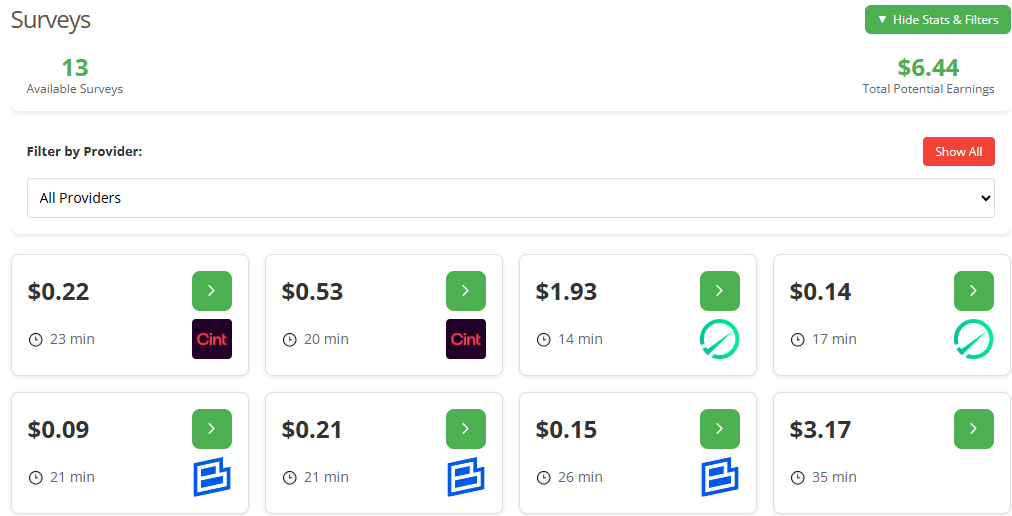
Get High Paying Surveys
Earn money online by completing simple surveys. No experience needed.
Start Earning →The way Kenyans work is changing — fast. Whether you are stuck in Nairobi traffic every morning, living upcountry far from major offices, or simply tired of the 8-to-5 grind, work from home jobs in Kenya have opened a genuine door to financial freedom and flexibility.
And this is not just a trend for tech geniuses or people with expensive laptops. Today, a smartphone, a decent internet connection, and the willingness to learn are enough to get started. Thousands of Kenyans are already earning real income from the comfort of their homes — some earning more than they ever did in formal employment.
This guide breaks down exactly how to find, apply for, and succeed in legitimate home-based income opportunities in Kenya in 2026. From remote jobs on global platforms to locally available digital gigs, we cover everything you need to know — including realistic earnings in KES.
What Are Work From Home Jobs?
Work from home jobs — also called remote jobs or home-based jobs — are positions or freelance gigs where you complete tasks from your own home (or anywhere with internet access) rather than a physical office.
They fall into two main categories:
- Remote employment: A company hires you as a full-time or part-time employee, but you work from home. You receive a salary, sometimes with benefits.
- Freelancing/gig work: You offer a skill or service to multiple clients on a project-by-project basis. You set your own rates and schedule.
Both are legitimate. The right fit depends on whether you want stable income or the freedom to pick your clients and hours.
Why Work From Home Jobs Are Growing in Kenya in 2026
The growth of online employment in Kenya is not accidental. Several factors are driving it:
- Widespread smartphone and internet access: Kenya has over 22 million internet users, and mobile data is increasingly affordable.
- M-Pesa and mobile banking: Easy payment solutions mean Kenyans can receive money from international clients with minimal friction — Payoneer, Wise, and direct M-Pesa transfers are all widely used.
- Global demand for affordable talent: International companies increasingly outsource work to skilled Kenyans at competitive rates.
- AI and digital economy growth: The rise of AI tools has created entirely new categories of digital jobs in Kenya — from AI data annotation to prompt engineering and AI content review.
- Remote work is now the norm: What started as a pandemic-era experiment has become standard practice for thousands of companies globally.
The opportunity in 2026 is bigger than it has ever been. What matters now is knowing where to look.
How Work From Home Jobs Work: Step-by-Step Guide
Getting started with remote jobs in Kenya follows a fairly predictable path. Here is how to go about it:
Step 1: Identify a Marketable Skill Start with what you already know. Writing, data entry, graphic design, programming, customer service, bookkeeping, social media management — all of these are in high demand online. In 2026, AI-related skills like prompt writing and data labelling are also growing fast.
Step 2: Build or Polish Your Profile Create a professional profile on the platforms relevant to your skill. A strong profile photo, clear bio, and work samples — even practice projects — can make a big difference.
Get High Paying Surveys
Earn money online by completing simple surveys. No experience needed.
Start Earning →Step 3: Choose the Right Platforms Not every freelance or remote job platform works equally well in Kenya. Stick to platforms that support M-Pesa, Payoneer, or bank transfers — see the section below for specifics.
Step 4: Start Small, Build Reviews Your first few jobs may pay less than you expect. That is normal. Focus on earning positive reviews early — they are the currency that unlocks better-paying clients.
Step 5: Scale Up Once you have reviews and a portfolio, raise your rates. Target long-term clients for stable income, or take on multiple clients for maximum earnings.
Best Platforms for Work From Home Jobs in Kenya
These platforms are popular, legitimate, and support payments that work in Kenya:
1. Upwork
One of the largest freelancing platforms globally. Kenyans are active on Upwork in fields like writing, virtual assistance, programming, and graphic design. You can withdraw earnings via Payoneer or direct bank transfer.
Best for: Writers, developers, virtual assistants, designers
2. Fiverr
Fiverr lets you create “gigs” — defined services you offer at set prices. It is beginner-friendly and great for creative work like logo design, voiceovers, translation, and social media content.
Best for: Creatives, translators, marketers
3. BrighterMonday / MyJobMag / Jooble Kenya
These are locally focused job boards that list both remote and hybrid positions from Kenyan companies. Great if you want a formal employment relationship with a local employer.
Best for: Customer service reps, data analysts, accountants, marketers
4. LinkedIn
LinkedIn is underused by many Kenyans but extremely powerful. Many international companies post remote roles directly, and a well-optimised LinkedIn profile can attract inbound job offers.
Best for: Professionals looking for full-time remote employment
5. Andela / Toptal
These are premium platforms that connect top African tech talent with global companies. The vetting process is rigorous, but the pay is significantly higher than average freelance rates.
Best for: Software developers, engineers, project managers
6. Remotasks
Popular in Kenya for micro-tasks like image tagging, transcription, and data categorisation. Payments are made via M-Pesa, which makes it very accessible for beginners.
Best for: Complete beginners with no prior experience
7. CloudFactory (Nairobi-based)
CloudFactory is headquartered in Nairobi and hires Kenyan workers for data labelling and AI training tasks — no advanced skills required to start.
Best for: Beginners, AI data annotation, entry-level digital jobs Kenya
Realistic Earnings From Home-Based Work in Kenya (KES)
Let us be straightforward. Work from home jobs are not a get-rich-quick scheme. Earnings vary widely depending on your skill, experience, and effort. Here are realistic monthly estimates for 2026:
| Job Type | Beginner (KES/month) | Experienced (KES/month) |
|---|---|---|
| Content Writing | 8,000 – 20,000 | 40,000 – 100,000+ |
| Virtual Assistant | 15,000 – 30,000 | 50,000 – 80,000 |
| Graphic Design | 10,000 – 25,000 | 60,000 – 150,000 |
| Data Entry / AI Annotation | 5,000 – 15,000 | 20,000 – 40,000 |
| Software Development | 30,000 – 60,000 | 150,000 – 300,000+ |
| Social Media Management | 10,000 – 20,000 | 40,000 – 80,000 |
| Online Tutoring | 8,000 – 20,000 | 30,000 – 70,000 |
| Customer Service (Remote) | 20,000 – 35,000 | 45,000 – 70,000 |
Many Kenyans start by supplementing a day job with freelancing on the side before transitioning full-time. Consistency matters more than speed.
Pros and Cons of Work From Home Jobs
Pros
- Flexibility: You set your schedule — especially valuable for parents, students, and caregivers.
- No commute costs: Nairobi commutes can cost KES 200–500 daily. That adds up to KES 4,000–10,000 a month saved.
- Global income: You can earn in USD, EUR, or GBP while living in Kenya — your shilling goes further.
- Low startup cost: Most remote jobs require only a laptop or smartphone and internet.
- Work-life balance: More time at home often improves family relationships and personal wellbeing.
Cons
- Isolation: Working alone can feel lonely, especially for social people.
- Inconsistent income: Freelance work is not always predictable — dry spells happen.
- Self-discipline required: Without a boss physically present, procrastination is a real risk.
- Internet dependency: Unreliable or expensive internet in some areas can be a serious obstacle.
- Scams: The online job space in Kenya has real fraudsters — we cover how to stay safe below.
Common Mistakes to Avoid in Digital Jobs Kenya
Many first-timers in online employment make the same avoidable errors. Here is what to watch out for:
1. Applying to every job without focus Spread yourself too thin and you come across as unspecialised. Pick one or two skill areas and build expertise there first.
2. Underpricing your work Many Kenyans price too low out of fear. Research market rates. Charging more signals quality — it does not scare good clients away.
3. Ignoring your online presence A blank LinkedIn profile or an incomplete Upwork bio kills your chances before the client even reads your proposal.
4. Falling for scams Legitimate employers never ask you to pay a registration fee to get a job. Never send money to “unlock” an opportunity.
5. Poor communication with clients Respond promptly, deliver on time, and keep clients updated. Reliability is your biggest competitive advantage as a Kenyan remote worker.
6. Not tracking income for tax purposes KRA expects Kenyans to declare freelance income. Keep simple records from day one to avoid complications later.
Tips to Succeed Faster in Remote Jobs Kenya
These are not generic tips — these are specific to the Kenyan context in 2026:
- Leverage your timezone advantage: East Africa Time (EAT) overlaps with European mornings and US evenings. This makes Kenyan freelancers valuable for clients who need time-zone coverage across multiple regions.
- Get Payoneer early: Setting up a Payoneer account before you need it saves time. It also gives you a US bank account number, which some international platforms require.
- Join Kenyan freelancer communities: Facebook groups like “Kenya Freelancers” and WhatsApp networks connect you with local peers who share leads, tips, and client referrals.
- Start with platforms that pay via M-Pesa: Remotasks and similar platforms pay directly to M-Pesa, reducing friction and building confidence early.
- Invest in your skills first: Google Career Certificates, Coursera, and ALX Africa offer free or low-cost courses that can dramatically increase your earning potential. In 2026, AI literacy is especially valuable.
- Create a dedicated workspace: Even a clean corner of a room signals to your brain that it is work time. It also improves video call professionalism.
Is Working From Home Legit and Safe in Kenya?
Yes — with the right precautions, work from home jobs are completely legitimate and safe in Kenya.
Here is how to protect yourself:
- Use verified platforms: Stick to established platforms like Upwork, Fiverr, and BrighterMonday. Avoid “opportunities” shared only on WhatsApp with no verifiable company behind them.
- Never pay to get a job: Legitimate remote jobs do not charge registration, training, or equipment fees upfront.
- Verify company details: Before accepting any remote employment offer, Google the company name, check LinkedIn, and look for reviews on Glassdoor.
- Use Payoneer or Wise for international payments: These are traceable and supported by most reputable international clients.
- Trust your instincts: If something promises KES 50,000 a day with no skills required, it is almost certainly a scam.
Kenya’s digital economy is maturing rapidly in 2026, and more legitimate companies are actively hiring remotely. The opportunity is real, but vigilance is essential.
Frequently Asked Questions (FAQs)
1. What are the best work from home jobs in Kenya for beginners in 2026? For beginners, the best entry points are data entry, social media management, online transcription, and micro-tasks on Remotasks — all of which require minimal experience and pay via M-Pesa.
2. How much can I earn from remote jobs in Kenya? Earnings vary widely. Beginners typically earn KES 5,000 – 20,000 per month. Experienced professionals in software development or graphic design can earn KES 100,000 – 300,000+ monthly from international clients.
3. Do I need a laptop to work from home in Kenya? Not always. Some tasks like social media management, data annotation, and online tutoring can be done via smartphone. However, a laptop significantly expands the range and quality of work available to you.
4. How do international clients pay Kenyan freelancers? The most common payment methods are Payoneer (which links to M-Pesa or your bank), Wise (formerly TransferWise), PayPal (limited in Kenya but usable), and direct bank wire transfers.
5. Are there Kenyan companies that offer remote jobs? Yes. Companies like Andela, KOKO Networks, Safaricom (for some roles), and various NGOs and tech startups offer hybrid or fully remote positions advertised on BrighterMonday, LinkedIn, and MyJobMag.
6. Do I need to pay taxes on freelance income in Kenya? Yes. The Kenya Revenue Authority (KRA) requires individuals to declare income from all sources, including freelancing. You can file returns on iTax and consult a tax professional if needed.
7. How long does it take to start earning from home-based work in Kenya? With consistency, most people land their first paying client within 2–6 weeks of actively applying. Building a sustainable monthly income typically takes 3–6 months of steady effort.
Conclusion: Your Next Step Starts Today
Work from home jobs in Kenya are no longer a distant dream or a privilege reserved for a few. They are a growing, accessible reality in 2026 — and the window of opportunity is wide open right now.
Whether you start with basic data entry on Remotasks, pitch writing services on Upwork, or apply for a remote customer service role on BrighterMonday, the first step is simply to begin. Do not wait until you have the perfect skill or the best laptop. Start with what you have, learn as you go, and stay consistent.
The Kenyan digital job market is growing, global clients are actively looking for reliable talent, and your skills — whatever they are — have real value. Take that first step today.
Read also:
- Legit Online Jobs in Kenya That Pay via M-Pesa: 10 Proven Ways to Earn in 2026
- How to Earn Money Online in Kenya Without Investment: 12 Proven Ways That Actually Work in 2026
- How to Make Money Online in Kenya for Beginners: 12 Easy and Proven Ways in 2026
- Best Online Side Hustles in Kenya in 2026: Proven Ways to Earn Extra Income From Home
Get High Paying Surveys
Earn money online by completing simple surveys. No experience needed.
Start Earning →