How Students Can Make Money Online in Kenya in 2026: 10 Realistic Campus Income Ideas That Actually Work

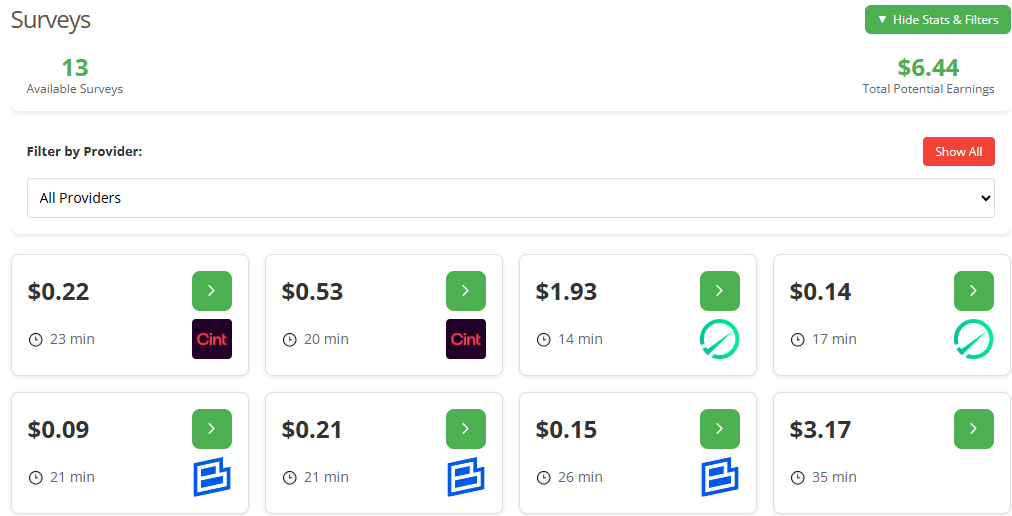
Get High Paying Surveys
Earn money online by completing simple surveys. No experience needed.
Start Earning →You are sitting in your campus hostel, textbooks open, data bundle running low, and your next HELB disbursement feels like it is three lifetimes away. Sound familiar? If you are a Kenyan student looking for ways to earn your own money without dropping out, skipping classes, or begging your parents every week — this guide is written specifically for you.
The truth is, learning how students can make money online in Kenya has never been more achievable than it is in 2026. With just your smartphone, a decent internet connection, and a few hours a week, you can build a real side income right from your campus room. No capital needed. No experience required. Just a willingness to start.
This guide covers the best, most realistic online money-making methods for Kenyan students — with honest KES income estimates, the exact platforms to use, and practical steps you can take before the week is over.
Why Kenyan Students Need Online Income in 2026
HELB loans barely cover tuition, let alone rent, food, data bundles, transport, and personal expenses. The average Kenyan university student needs between KES 15,000 and KES 30,000 per month to live comfortably — a gap that parental support and HELB rarely fill completely.
Beyond financial survival, earning online as a student gives you:
- Real work experience before graduation — something employers genuinely value
- Marketable skills that boost your CV and freelancing portfolio
- Financial independence — less pressure on your family and more control over your life
- A head start on building income streams most graduates spend years chasing
Whether you are studying at the University of Nairobi, Kenyatta University, Strathmore, Maseno, Moi University, or any campus across Kenya, the opportunities in this guide are open to you.
What Kenyan Students Need to Get Started
Before diving into the specific methods, here is a realistic checklist of what you need:
- A smartphone (Android works perfectly — you do not need an iPhone)
- A reliable internet connection (campus Wi-Fi or a data bundle)
- A free email address (Gmail is sufficient)
- A Payoneer account (free to register — this is how you receive international payments)
- A M-Pesa registered line for local withdrawals
- 2–4 hours per day of focused work time
That is it. No capital. No expensive equipment. No registration fees.
How Students Can Make Money Online in Kenya: 10 Proven Methods
1. Freelance Writing — The Most Accessible Student Side Hustle in Kenya
If you can express ideas clearly in English, freelance writing is the single fastest way to start earning online as a student. Businesses, blogs, digital agencies, and e-commerce brands pay writers to produce articles, blog posts, product descriptions, and website content — consistently, every month.
As a student, you already have one huge advantage: you are used to researching and writing. That skill transfers directly to freelance content writing.
How to start:
Get High Paying Surveys
Earn money online by completing simple surveys. No experience needed.
Start Earning →- Create a free account on Fiverr or Upwork
- Write two to three sample articles on topics you know well (finance, health, technology, campus life, education)
- Upload them to a free Google Drive folder or a free portfolio site on Canva or Carrd.co
- Start applying for entry-level writing jobs or create a Fiverr gig offering articles from $5
Best platforms: Upwork, Fiverr, ProBlogger Job Board, iWriter, Textbroker
Realistic earnings: KES 6,000 – 25,000 per month as a beginner. Experienced student writers with good niches earn KES 40,000+ monthly.
Pro tip: Pick a writing niche related to your course. A Finance student writing about personal finance, or a Medical student writing health content, immediately commands higher rates than a general writer.
2. Online Tutoring — Turn Your Strongest Subjects Into Income
Online tutoring is one of the most natural campus income ideas in Kenya for university and college students. You already know subjects that secondary school and even primary school students are struggling with. That knowledge is worth money.
Kenyan parents are willing to pay KES 500 – 2,000 per hour for quality online tutoring, and international platforms pay even more in USD for English language tutoring.
How to start:
- Identify your two or three strongest subjects (Mathematics, Biology, English, Chemistry, Economics, etc.)
- Post in local Facebook parenting groups: “Online tutoring available — [Subject], [Level], KES [rate] per hour”
- Register on Preply or iTalki for international students (especially English language tutoring)
- Use Google Meet or Zoom (free plans are sufficient for sessions)
Best platforms: Preply, iTalki, Chegg Tutors, local Facebook groups, WhatsApp referrals
Realistic earnings: KES 4,000 – 20,000 per month tutoring locally. International tutoring via Preply earns $10 – $25 per hour (KES 1,300 – 3,250 per session).
Pro tip: Partner with a fellow student who teaches a different subject. Refer students to each other and split referral fees. It is a simple way to expand your client base without extra marketing.
3. Transcription — The Easiest Entry Point for Students With No Portfolio
Transcription is the process of listening to audio or video recordings and typing out what is said. It requires no prior experience, no portfolio, and no specific qualifications — just good listening skills, accurate typing, and attention to detail.
This makes it one of the most beginner-friendly online jobs for students in Kenya. You can do it during free periods between lectures, in the evenings, or on weekends.
How to start:
- Visit GoTranscript.com or Scribie.com and complete their free entrance test
- Once approved, start picking up audio files to transcribe at your own pace
- Practice typing speed — aim for at least 50 words per minute (use keybr.com free typing trainer)
Best platforms: GoTranscript, Scribie, TranscribeMe, Rev
Realistic earnings: KES 4,000 – 15,000 per month working part-time.
Pro tip: After a few months of general transcription, look into medical or legal transcription — both pay significantly more and have fewer applicants because most people assume they need special training (they mostly just need practice and a short free online course).
4. Social Media Management — Get Paid for What You Are Already Doing
Kenyan students are spending hours every day on Instagram, TikTok, Facebook, and Twitter/X. What most do not realise is that local businesses — salons, restaurants, boutiques, real estate agencies, and service providers — desperately need someone to manage those same platforms professionally.
Social media management involves creating content calendars, writing captions, designing graphics (using free tools like Canva), scheduling posts, and responding to comments and DMs. It is work you can do entirely from your phone.
How to start:
- Pick a local business with a weak or inactive social media presence
- Create a free sample content calendar for their page using Canva
- Send them a direct message or walk in and offer your services
- Once you have one client and results to show, referrals come naturally
Best platforms: Approach businesses directly on Instagram or LinkedIn. List services on Fiverr for international clients.
Realistic earnings: KES 8,000 – 25,000 per client per month. Managing two clients earns KES 16,000 – 50,000 on the side.
Pro tip: Focus on one industry (like salons or restaurants near your campus) and become known as the go-to person for social media in that niche. Specialisation makes you more referable and allows you to charge more.
5. Graphic Design — High-Demand, High-Pay Student Freelancing in Kenya
Businesses need visual content constantly — logos, posters, social media graphics, wedding invitations, business cards, YouTube thumbnails, and more. If you have a creative eye, graphic design is one of the most lucrative freelancing opportunities for students in Kenya.
You do not need to be a professional designer to start. Canva is free and incredibly powerful for beginners. As you grow, learning Adobe Illustrator or Photoshop (both available for free trials) will unlock higher-paying work.
How to start:
- Create 5–10 sample designs on Canva across different categories (logos, flyers, social media posts)
- Set up a free Fiverr gig offering logo design or social media graphics
- Share your work on Instagram and TikTok using relevant Kenyan hashtags
Best platforms: Fiverr, 99designs, DesignCrowd, and direct Instagram outreach
Realistic earnings: KES 8,000 – 35,000 per month as a beginner. Skilled designers earn KES 60,000 – 100,000+ monthly.
Pro tip: Offer fast turnaround times (24 hours) at competitive rates when you are starting. Speed and reliability are often more valued than perfection when clients have deadlines.
6. Selling Digital Products — Create Once, Earn Repeatedly
As a student, you create notes, summaries, revision guides, and study materials constantly. Instead of keeping them on your phone or sharing them for free, you can sell them online as digital products.
A well-organised set of KCSE revision notes, a university unit summary, a CV template, or even a printable study timetable can be packaged and sold as a PDF or Word document — indefinitely — with zero additional effort after the initial creation.
How to start:
- Identify what notes, templates, or guides you have created that others would find useful
- Format them neatly using Canva or Microsoft Word
- Upload to Selar.co (Kenya-friendly, accepts M-Pesa) or Gumroad (international)
- Promote inside student WhatsApp groups, Facebook groups, and on TikTok
Best platforms: Selar.co, Gumroad, Payhip, and Etsy (for design templates)
Realistic earnings: KES 3,000 – 30,000 per month depending on the product and your promotion effort.
Pro tip: Sell bundles rather than single notes. A bundle of five units sold at KES 300 each as a package for KES 1,000 feels like a deal to the buyer and earns you more per transaction.
7. Affiliate Marketing — Earn Commissions Promoting Products You Already Use
Affiliate marketing means sharing a special link to a product or service. When someone buys through your link, you earn a commission — without handling stock, delivery, or customer support.
For students, this works especially well if you are active on social media, run a WhatsApp group, or have a blog. You can promote products relevant to student life — tech gadgets, books, stationery, or online courses — and earn every time someone clicks and buys.
How to start:
- Sign up for the Jumia Affiliate Programme (free, pays via M-Pesa or bank transfer)
- Or join Amazon Associates for international products
- Share your affiliate links naturally in student WhatsApp groups, Facebook groups, or your Instagram bio
- Create “top picks” content — “Best earphones under KES 2,000 on Jumia” — with your link included
Best platforms: Jumia Affiliate Programme, Kilimall Affiliates, Amazon Associates, ClickBank
Realistic earnings: KES 2,000 – 20,000 per month depending on your audience size and content quality.
Pro tip: Never spam affiliate links in groups. Instead, create genuinely helpful content around the products — reviews, comparisons, or “best of” lists — and include the link naturally. Trust converts far better than pressure.
8. Data Entry and Micro-Tasks — Quick, Easy, Zero Skill Required
Data entry and micro-task platforms pay you to complete simple, repetitive online tasks — entering data into spreadsheets, categorising images, testing websites, liking pages, writing short reviews, and more.
This is the easiest entry point for students who feel they have no marketable skills yet. The pay is modest, but it is real, consistent, and a good confidence-builder while you develop more lucrative skills in parallel.
How to start:
- Register on Picoworkers.com or Remotasks.com (both free)
- Complete their short onboarding quiz or sample task
- Start picking up available tasks and complete them accurately — your rating affects how many tasks you can access
Best platforms: Picoworkers, Remotasks, Amazon Mechanical Turk, Clickworker
Realistic earnings: KES 2,000 – 8,000 per month working part-time.
Pro tip: Use micro-tasks as a bridge while you learn a bigger skill. Earn data bundle money today while building your freelance writing or design portfolio for tomorrow.
9. Content Creation on TikTok and YouTube
Students are already consuming hours of TikTok and YouTube content. Creating it — and eventually monetising it — is a very realistic option, especially for those who enjoy being on camera or sharing knowledge.
You do not need a professional setup. A good smartphone, decent lighting (even natural light works), and a topic you are genuinely passionate or knowledgeable about are enough to start. Campus life content, student budgeting tips, course advice, cooking on a student budget, and comedy skits all perform well.
How to start:
- Pick a consistent content theme related to your interests or course
- Post at least two to three times per week for the first three months
- Engage actively with your audience in comments
- Monetise through the YouTube Partner Programme, TikTok Creator Fund, brand sponsorships, and affiliate links
Realistic earnings: KES 0 – 5,000 in the first three months, growing to KES 15,000 – 80,000+ per month for consistent creators after 6–12 months.
Pro tip: Document your student journey honestly. Audiences on TikTok and YouTube connect deeply with authenticity — your real experiences as a Kenyan campus student are more relatable and more valuable than polished, generic content.
10. Virtual Assistance — Professional Income for Organised Students
If you are detail-oriented, organised, and good with emails and schedules, virtual assistance is one of the highest-paying online jobs for students in Kenya. A virtual assistant (VA) provides remote administrative support — managing inboxes, scheduling calls, doing research, handling customer service, and more.
International clients on platforms like Upwork often pay $5 – $15 per hour for entry-level VA work — which is KES 650 – 1,950 per hour. Working even 10 hours a week earns a meaningful monthly side income.
How to start:
- Create a detailed Upwork or Fiverr profile highlighting your organisational skills, attention to detail, and any relevant experience
- Apply for entry-level VA positions listed on Upwork or join VA-specific groups on LinkedIn
- Start with small, short-term projects to build reviews and reputation
Best platforms: Upwork, Fiverr, Belay Solutions, Fancy Hands
Realistic earnings: KES 15,000 – 50,000 per month for consistent part-time VA work.
Read also: How to Earn Money Online in Kenya Without Investment
Best Platforms Summary for Kenyan Students
| Platform | Best For | Free to Join | Pays Via |
|---|---|---|---|
| Fiverr | Writing, design, VA, voiceovers | Yes | Payoneer, PayPal |
| Upwork | All freelancing categories | Yes | Payoneer, bank transfer |
| GoTranscript | Transcription | Yes | PayPal |
| Preply | Online tutoring | Yes | PayPal, Payoneer |
| Selar.co | Digital products | Yes | M-Pesa, bank |
| Jumia Affiliates | Affiliate marketing | Yes | M-Pesa, bank |
| Picoworkers | Micro-tasks | Yes | PayPal, Skrill |
| YouTube | Video content | Yes | Kenyan bank (AdSense) |
Realistic Monthly Earnings for Kenyan Students in KES
| Method | Beginner (KES/month) | After 6 Months (KES/month) |
|---|---|---|
| Freelance Writing | 6,000 – 20,000 | 25,000 – 50,000 |
| Online Tutoring | 4,000 – 15,000 | 15,000 – 35,000 |
| Transcription | 4,000 – 12,000 | 12,000 – 20,000 |
| Social Media Management | 8,000 – 20,000 | 30,000 – 60,000 |
| Graphic Design | 8,000 – 25,000 | 35,000 – 80,000 |
| Digital Products | 2,000 – 8,000 | 10,000 – 40,000 |
| Affiliate Marketing | 1,500 – 6,000 | 8,000 – 25,000 |
| Micro-Tasks | 2,000 – 6,000 | 5,000 – 10,000 |
| Virtual Assistance | 12,000 – 25,000 | 35,000 – 60,000 |
Pros and Cons of Making Money Online as a Student in Kenya
Pros
- Completely flexible — work around your lecture timetable
- No startup capital required — all methods listed here are free to begin
- Builds your CV — real freelance experience is more impressive than zero experience
- Develops skills you will use for life — writing, design, communication, marketing
- Earn in foreign currency — $10 on Upwork is KES 1,300+ every time
- Build a network — international clients, fellow freelancers, and online communities open doors
Cons
- Easy to neglect studies — time management is critical; online work must complement academics, not replace them
- Slow to start — income is rarely immediate; expect a 2–6 week ramp-up period
- Campus Wi-Fi unreliable — data bundle costs are a real consideration
- Scam risk — the internet is full of fake “earn KES 10,000 daily” schemes targeting students
- Requires self-discipline — with no supervisor, procrastination is the biggest enemy
Common Mistakes Kenyan Students Make When Earning Online
1. Falling for get-rich-quick schemes Any platform promising you KES 5,000 per day for clicking links or watching videos is a scam. Real online income takes consistent effort over weeks and months.
2. Letting it affect their grades Your degree is your long-term asset. Never let a side hustle compromise your academic performance. Set strict working hours — evenings and weekends — and honour them.
3. Not creating a portfolio early The biggest regret of most student freelancers is not documenting their work from day one. Even if you write for free initially, save everything and build a portfolio as you go.
4. Working for too little Charging KES 50 for an article or KES 200 for a logo design is not sustainable and trains clients to undervalue your work. Research market rates and price yourself fairly from the beginning.
5. Keeping all eggs in one basket Relying entirely on one platform is risky. Spread across two platforms and build direct client relationships wherever possible so you are not vulnerable to platform policy changes.
Tips to Succeed Faster as a Student Earning Online in Kenya
- Block out specific working hours — treat your online work like a unit with a timetable. Consistency beats intensity every time.
- Use campus Wi-Fi strategically — do heavy uploads, downloads, and video calls on campus Wi-Fi to save your personal data bundle for lighter tasks.
- Join student freelancer communities — search for “Kenyan freelancers” on Facebook and LinkedIn. The advice, job leads, and moral support inside these communities are invaluable.
- Tell people what you do — word of mouth is powerful on campus. Tell your classmates, lecturers, and family what services you offer. Your first clients are almost always people who already know you.
- Track every shilling you earn — use a free Google Sheet to log your earnings, platforms, clients, and payment dates. This habit will save you enormous stress at KRA filing time.
- Apply for a Payoneer account in your first week — it takes a few days to verify. Having it ready means you can accept your first international payment without delays.
Is Online Earning Safe for Students in Kenya?
Yes — on legitimate platforms. The methods and platforms listed in this guide are used by millions of people worldwide and thousands of Kenyan students specifically. They are safe, free, and legal.
What is not safe are the countless fake platforms that specifically target students with promises of overnight riches. Red flags to watch out for:
- Any platform asking you to pay a registration or activation fee
- Promises of KES 3,000 – 10,000 per day for simple tasks
- WhatsApp groups promoting “investment” opportunities with guaranteed returns
- Sites with no verifiable contact information, reviews, or social proof
Stick to globally recognised platforms, verify anything new on Trustpilot, and report suspected scams to the Directorate of Criminal Investigations (DCI) Kenya.
FAQs: How Students Can Make Money Online in Kenya
Q1: Which is the easiest online job for students in Kenya to start today? Transcription and micro-tasks are the easiest starting points because they require no portfolio, no experience, and no investment. GoTranscript and Picoworkers both have quick sign-up processes and pay within days of completing work.
Q2: How many hours per week do I need to earn a meaningful income online as a student? Even 10–15 hours per week is enough to earn KES 8,000 – 20,000 per month from freelancing or tutoring. The key is consistency — showing up every day, not working marathon sessions once a week.
Q3: Can I earn online from my phone without a laptop in Kenya? Yes. Transcription, social media management, content creation, affiliate marketing, and micro-tasks can all be done entirely from a smartphone. A laptop becomes useful as you grow, but it is not required to start.
Q4: What are the best student side hustles in Kenya for STEM students specifically? STEM students have a natural advantage in online tutoring (Mathematics, Physics, Chemistry), technical writing, data entry, and eventually coding and web development. These fields pay significantly above average rates on platforms like Upwork.
Q5: How do I receive money from international platforms as a Kenyan student? Register for a free Payoneer account (payoneer.com). Once verified, link it to your Kenyan bank account (Equity, KCB, or Cooperative Bank work well). You can also withdraw to M-Pesa via the Payoneer Mastercard at supported ATMs.
Q6: Do Kenyan students need to pay tax on online earnings? If you earn consistently from online work, Kenya Revenue Authority (KRA) requires you to declare it. Register for a KRA PIN (free, done online), and declare your income during annual self-assessment filing. This is important for your financial credibility long-term.
Q7: What campus income ideas in Kenya can I start this week? This week, you can: create a Fiverr gig for writing or design, post in a Facebook group offering tutoring, sign up for GoTranscript and attempt your entrance test, or register for the Jumia Affiliate Programme and share your first link. All of these take less than two hours to set up.
Conclusion: Start Earning This Semester, Not After Graduation
Every semester you wait is a semester of income, experience, and skill-building you miss out on. The best time to learn how students can make money online in Kenya was last year. The second-best time is today.
You do not need to drop classes. You do not need a business plan. You do not need capital. You need to pick one method from this list, set it up this week, and commit to showing up for the next 90 days.
Start with what matches your current skills. Earn your first KES 2,000 online. Then your first KES 10,000. Then keep going.
Your campus years are the best time to build skills, take risks, and experiment with income streams — because the stakes are low and the time is on your side. Do not waste them.
Share this guide with a fellow student who could use extra income. You might just change their trajectory.
Read also:
- How to Earn Money Online in Kenya Without Investment
- Best Online Side Hustles in Kenya in 2026: Proven Ways to Earn Extra Income From Home
- How to Make Money Online in Kenya for Beginners: 12 Easy and Proven Ways in 2026
- Legit Online Jobs in Kenya That Pay via M-Pesa: 10 Proven Ways to Earn in 2026
Get High Paying Surveys
Earn money online by completing simple surveys. No experience needed.
Start Earning →